

Some of you may already know about the Enneagram, which is a system of personality classification. This is a fascinating system, which features 9 different personality types, but due to all the sub-types (each type can be one of 3 subtypes — survival oriented, one-on-one relationship oriented, or socially oriented) and wing-types (each type can have a “wing” related to an adjacent type), there are actually 54 different types if you look at it in depth. Further, each Enneatype varies according to the level of psychological development, from unhealthy (stuck in type-based fixations) to very healthy, so if you cast the unhealthy wing and the very healthy wing as 2 other types, you can see that a total of 108 types total could emerge.
While those at the “unhealthy” level for each type can be more readily recognized because of how their personality is compromised by their fixations or growth challenges, those at the “very healthy” level may be more difficult to recognize because in their growth they become much less limited by the typical fixations of their type.
The amazing thing about the Enneagram is that it actually works, and everyone fits into one of the 9 types. However, there are skeptics of every system, and it’s often healthy to disagree, so if you don’t agree with this psychological system of understanding personality, then take this article and the system too with a grain of salt and just enjoy the adventure as one possible way of interpreting reality — take what you enjoy or can use and leave the rest.
One of the beauties and most helpful contributions of any personality typology system, or really any way of understanding differences in human personalities, is that these systems help us understand not only that people are different, but why they are different, and see that people are meant to be different. This is important, because it can create serious problems for us all when people just expect everyone else to be the same as they are — meaning, assuming everyone has or should have the same values, beliefs, views, predispositions. Major conflicts can occur when people mistakenly assume others are like themselves, and then get very upset when reality doesn’t match their presumptions. So, the more we can understand what makes others different, and how deeply people are different, then we are actually assisted in avoiding conflicts because we are trained out of presumptions. Thus understanding the Enneagram can be one important kind of “unconcious bias training”, to use a phrase popular in our time.
I thought it would be interesting to explore what all these 9 types may look like when they appear as hosts or guests. Keep in mind in reading this, that I”m not an expert on the Enneagram, so don’t take what’s written here as gospel. I’m informed, but not a scholar on the subject, so what’s offered here is in the spirit of inspiration — some ideas, and the suggestion that if the topic appeals to you, you might want to study this in greater depth.
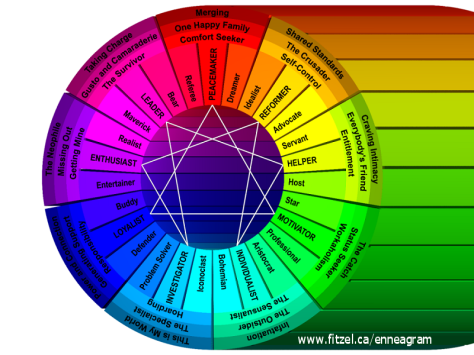
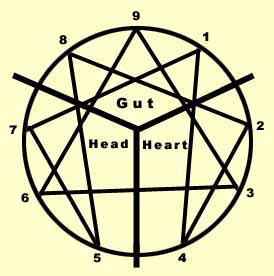
This picture shows the 9 types in the standard Enneagram diagram:

Now as we explore the hosts and guests of each type, this will help you understand the Enneagram at the same time. First, let’s look at the hosts of each type.
Type 1: The Reformer
The Enneagram type 1 is oriented towards right and wrong. There is a right way to do things, and a wrong way, and the Type 1 host will surely do things the right way. So this type as a host, (particularly if not distracted by involvement in some higher mission, which many of the more evolved TYpe 1s will be involved in) is likely to be concerned with having the right type of hospitality, the right linens, the right house rules, the right listing description, and with following all applicable laws, policies and practices for hosting, both Airbnb laws, local laws and state and national laws. Once the Type 1 gets things right, they feel confident to start teaching other hosts how to do things right, as well. In their teaching, they can at times become sermonizing, so confident are they that they know how to do things right. The Type 1 host does not like it when other hosts don’t do things right. So, this host is likely to be the first and loudest to complain when other hosts dont’ follow correct/applicable laws, policies and practices. They might be quite critical of the host without any house rules, or the one who doesn’t know in what category they should pay taxes, or that they have to have a license for short term rentals. There is a right way to do things, and a wrong way, and the Type 1 will surely be doing things correctly. In host community groups, the Type 1 host will quite possibly be found chiding other hosts for their incorrect views/practices. 
In their attitude towards guests, Type 1 hosts will be focused on guests who do things the right way — read the information they are asked to read, present themselves correctly, act polite in the host’s home, follow house rules as asked, check out on time. The Type 1 host may pride him or herself on having correctly described what they offer, and they will be pleased with guests who do as they are supposed to do…but not so happy with those who don’t.
Once all the business about right and wrong in the hosting environment can be set aside — and it can be, by the Type 1, once there are no violations or calls for alarm in this department, then the Type 1 can be a fascinating person and conversationalist, all the more so if they have found their calling in life, which may truly be a mission in life. “History is full of Ones who have left comfortable lives to do something extraordinary because they felt that something higher was calling them.” Ghandi, for instance, was a Type 1. It’s not clear what type of a host Ghandi would have been…but at some point, the call of right and wrong can pull the Type 1 so far beyond day to day business, that their sights may remain set on their higher purpose.
Type 2: The Helper
The Type 2 host is very oriented to taking care of others. The Type 2 person is one of the most common personalities in the helping professions, because, together with the Type 9, this personality is gifted in the area of taking care of others. So they are a natural host, and their orientation is much more to taking care of people’s needs, than to focusing on what is right or wrong, or where the guest was correct or not. So, the Type 2 host is likely to be a bit loose with their rules, if they can see the guest needs to be accomodated, and they can feel good providing for the guest. They will be flexible in their response to guests, and more generous than other types of hosts. They will likely be more attentive to the guests’ needs than other hosts, and also will want the guest to feel cared for and even loved, and they will be able to make the guest feel this way, more so than other types of hosts.
However, even though the Type 2 host is oriented to taking care of others — this may come with the caveat, that the Type 2 host wants to be recognized for what he or she has given. This Type 2 host wants or even needs to be seen as loving, generous, kind, compassionate. You may well see them in the host groups, writing a post about how compassionate they were to a guest in need, for instance someone who had a special need, such as a shoulder to cry on during an emotional break down. The Type 2 host is truly compassionate, yet some of them do need to be recognized as compassionate, and particularly if they dont’ get this recognition from a guest, they may want to get it from the host community, so you may find them there posting about how they cared for this or that guest with a special need, how they went out of their way for someone. IF they aren’t congratulated for being compassionate, they may become resentful. The Type 2 might be confused by hosts who respond that they should not be a doormat or they should have better boundaries, or be careful about the guests who “ask for an inch and take a mile.” This is hard for the Type 2, as they are so pulled to care for people, it’s difficult to understand how one would be a host and not feel the same way they do about caring for guests. So they might lash out and accuse others of not being compassionate, as they are. 
Type 3: The Achiever
The Type 3 is the professional host par excellence. That they are professional doesn’t mean they have over 50 listings, but having a bigger, larger, more profitable business, and being more successful, is certainly what they are all about, and so they are usually wanting to grow their business. Brian Chesky is an Enneatype 3, (and it’s likely Joe and Nate are as well) as are most of those with a powerful passion to launch a business or new product. Type 3 people are the CEOs of the world, and so it’s very likely that the hosts who have dozens or even hundreds of listings, are often Type 3 hosts. Knowing more and more of the tools for success, teaching seminars about success, coaching other hosts, writing books about making money (lots of it ) as an AIrbnb host, doing podcasts, blogs, attending superhost seminars, “secrets to success” seminars, and making the circuit as a pro host is what the Type 3 host is best at. You’ll find this type of host toting his or her e-briefcase at the Vacation Rental summits, the Airbnb Opens, all the places where the most accomplished and successful businesspersons are.
This host may well be more interested in making money, or in perfecting their polished presentation and products, than in attending to guests. As a corporate style, we see the Enneatype 3 quite strongly in Airbnb itself, (not surprisingly, since it grows out of Type 3 founders) which has become more oriented to growing and growing and being shiny and polished and professional and “Plus”, than in what many perceived as its original vision, something more folksy and idiosyncratic: celebrating the diversity of down-home home shares. 
The Type 3 host is in fact the type of host most likely to make a lot of money. Their personality is oriented to success so they focus on this. This can at times be to the detriment of the guest, who may feel that they aren’t personally cared for, that they are seen just as dollar signs. However, Type 3 hosts can be quite charming people, warm people who can really make a guest feel happy and comfortable. They can have a real gift for hospitality, and would do well at making sure the guest has everything that they need for a comfortable stay. They would do better in providing materially and practically for the guest, than in attending to any emotional needs, and are not likely to be as delicately sensitive to the guest’s feelings as would the other feeling types of the Enneagram — the Types 2 and 4 — who are more conscious of their feelings. The Type 3 is a feeling type, but is often less conscious or aware of their own feelings than these other types.
Type 4: The Creative Individualist
The Type 4 host is perhaps the most creative type of host, and is likely to have a unique or creative listing. This type of host is very interested in showcasing their own personality through the uniqueness of their listing. Type 4s also have a need to be authentic, so any limitations that others put on their ability to express themselves authentically will not be tolerated. The Type 4 host is the one most likely to be offended by Airbnb or other platforms’ pressure to conform to some idealized vision of a perfect/proper/pro host or listing, particularly when such a vision is a bland and, for the Type 4, hollow and meaningless accomplishment. For the Type 4, meaning and depth are all-important life values, and they will try to bring these values to their business in some way. 
As contrasted to the Type 2 host, who is primarily oriented to recognizing the needs or wants of the guest and caring for them, (and then having the guest see them as compassionate and kind, caring) the Type 4 host is more oriented to having the guest see their unique personality, house, or listing, and appreciate it, as well as to enjoying and celebrating what is unique and authentic in the guest.
The Type 4 host is highly oriented to beauty, or unusual aesthetics. They are likely to be the host who places the flowers “just so” in the guest room, or has the most unique gift for the guest. They may spent a lot of time seeking out just the right vintage furniture or art prints, intriguing collections of books or religious statuary, dazzling collections of seashells or butterflies or wood carvings from Oaxaca, and the Type 4 will be very pleased when guests or other hosts compliment them on their unusual or brilliant style. The Type 4 host also is likely to be more oriented to the odd or weird stories of hosting, and to unusual stories and funny anecdotes, than some of the other hosts.
Type 4s also have greater self-awareness, and in particular awareness of their own flaws and negative traits and the “animal” side of human nature, so they are also likely to understand these things in their guests, better than others. So the Type 4 is less likely to be surprised by bad guest behavior, than some of the other types. Because they are aware of their own faults, they are also more likely than some of the other types to take responsibility for their own mistakes as hosts.
That said, it’s quite possible for a Type 4 host to be more critical of themselves than their guest is. The Type 4 is shame-based, more susceptible to experiencing a crippling sense of shame than other hosts, and so if they are criticized for not having a clean bathroom, for instance, this can feel to them as if someone called them a pile of turds. To put things in contrast: the Type 8 host whose guest complains about a cobweb in a crevice deep behind the cupboard, will feel no shame at all, and be inclined to smack such an impudent guest smartly across the face. But the TYpe 4 host, particularly if less developed and freed from their viscious superego, can be reduced to a nearly impotent shame-filled being, by the same criticism. Which is one reason why Type 4s may want to call a Type 8 friend over to help them with problem guests.
Each Enneagram Type has a wing, and the wing would be one of the adjacent types. So, the Type 4 host could be either a 4 with a 3 wing, in which case they would have some of the charming nature of the Type 3 and that gift of hospitality, or they might be a 4 with a 5 wing, called “The Bohemian”, in which case they will inherit the 5’s tendency to isolate and enjoy alone time, and may prefer guests who don’t want much socializing, so they can retire to their room and work on their creative masterpieces. The Type 4 with 5 wing tends to think deeply, and is likely to have a rather thoughtful approach to hosting and to the host community.
Type 5: The Investigator
The Type 5 is not a “natural” host, but would be an ideal host for the guest who didn’t much care to socialize (because the 5 doesn’t really like to socialize, either) and would be the perfect host for the guest who after arriving, stayed in their room for most of the next month, because the Type 5 would understand that inclination. But this isn’t to say that the Type 5 has no interest in guests. Some Type 5s are quite interested in people, though they like their interest to be from a safe vantage point — a formal situation (such as host and guest) where they know the rules and/or can expect boundaries and limits, and know that not too much will be demanded of them, and their own boundaries/privacy will be protected.  Of all the TYpes, they may ask the most penetrating questions. In the host community, the Type 5 is likely to be the scholar of the set, who has done research or inquiries about hosting topics, laws, policies or practices, in a deeper or more extensive way than most other types. There may be an area that the TYpe 5 host specializes in and chooses to learn a lot about, and then this host could be a resource for the host community in that regard.
Indeed, if there is to ever be a comprehensive book on short term rental hosting, a 800-page tome studying the whole phenomenon — not a self-help book, not a coaching book, not a book on how to make $10 million in your first year as an Airbnb host — but a real thorough scholarly study about the phenomenon in all its aspects — it is very likely that an Enneatype 5 individual will be the author. While others will write books on winning and success, or on their personal hosting stories and anecdotes, the Type 5 is the real scholar who would be likely to produce the definitive academic study on the matter.
Type 6: The Loyalist
The Type 6 personality is called “The Loyalist” because they tend to be loyal to those people or causes that they decide are worth supporting and putting themselves behind. They are strong supporters of ideas, or communities, and so they are likely to be key figures in the host community. However, the Type 6 has a lot of fear and doubt, including doubt about their own decisions or choices, so they are also a type that is likely to turn to the host community often for support or affirmation about how to run their business or what to do about hosting dilemmas. Within the host community as elsewhere, the Type 6 is the most likely to be in the role of “Devils’ Advocate”, bringing up doubts or questions about the prevailing wisdom or consensus view on any one topic. They are natural skeptics, and can be rebels against authority in many ways. The “authorities” who they doubt and question, could be the political leaders of a nation, or it could be a corporation, or it could be leaders in the host community, or really any strong or influential voice. 
In their relationship with guests, the Type 6 hosts may reveal more anxiety than other hosts, as they are unsure and thus anxious about each guest, whether they can be trusted. As they evolve, they will have less anxiety. Sixes tend to use the defense mechanism of projection, so with guests and in the host community, they will tend to accuse others of attributes that they can’t yet own up to in themselves. For instance, if they aren’t comfortable with their own anger, they are likely to view others as being angry. If they aren’t comfortable with their own prejudices, others may find themselves accused of being racist or sexist.
Type 6s like security, and that security may come through income, or through preparedness, or a clear business plan. Of all the types, the Type 6 as a host is the one most likely to be prepared for an emergency — perhaps a flood or fire, an earthquake or hurricane. They will have emergency supplies safely stored away. As a type based in thinking, they have less access than the feeling types or gut types to one’s “gut sense” and together with their doubts about their own decisions, they may have difficulty for that reason with issues pertaining to screening guests.
Type 6 hosts can be contradictory, as is typical of the Enneatype 6: “The biggest problem for Sixes is that they try to build safety in the environment without resolving their own emotional insecurities“. Inviting a parade of revolving guests to their home, the Enneatype 6 hosts may find that reality rather unstable, and thus make them more likely to seek stability in friends and community. Or, the guest may find the host skeptic challenging them in what they expected would be casual conversation.
Type 7: The Enthusiast
The Type 7 person is enthusiastic by nature, enjoying getting involved in different projects, adventures and kinds of fun, and they are the type of host who’s probably most likely to go for the “Airbnb Experiences”, as they enjoy helping others have a good time so they are a natural for this type of endeavor. The Type 7 host may be more likely than hosts of other types to be found at the local bar, nightclub, or restaurant with their guests, showing them the town. The Type 7 can easily become overcommitted, as they can never get enough of trying different experiences and fun adventures. They will care less than other host types about getting approval from their guest — they are optimistic by nature and focused on fun and positive energy. 
Type 7 hosts may also be very busy with work, as they do quite well in situations where they can bring a great deal of energy and be involved in several projects at once.
The Type 7 doesn’t want to miss out on choices, so when faced with options to buy a new property or join with a partner to create a new AIrbnb listing, they may end up trying to accomplish all the options instead of limiting themselves to just one. As one article on this type puts it, “We can see this in action even in the most trivial areas of their daily lives. Unable to decide whether he wants vanilla, chocolate, or strawberry ice cream, a Seven will want all three flavors—just to be sure that he does not miss out on the “right” choice.”
A challenge for the Type 7 host will be to slow down and spend time and energy on a few choice endeavors, rather than trying to cover all bases and spreading oneself thin, having a less than quality experience due to depletion of their resources.
Type 8: The Leader
The Enneatype 8 is a strong personality, sometimes forceful, who is a natural leader, but with the potential to be a steamroller — a bully. One might say that this type is the least likely of the types to be a host, or the type who has the nature which is least suited for this endeavor, because at least on the surface, they don’t seem so oriented to hospitality. Eights can be domineering, seeking to control their environment, in a way that can make their partners or guests in their home feel intimidated. They are uncomfortable with their own vulnerability or any sign of “weakness”, and so many not be very empathetic to guests’ needs, at least at the emotional level. However in terms of providing practical support and materially for their guests, that they could do quite well, and may pride themselves in having a well-stocked liquor cabinet for guests, a luxurious hot tub which they invite the guest to enjoy, a full refrigerator of offerings, quality bedding or other listing attributes that make for sensual pleasure and contentment. The Type 8 host is well suited for helping guests experience sensual pleasure in life as they are a “gut” based or instinctual type and are quite comfortable and well attuned to this dimension of existence. 
Of all the types, the Type 8 host will be most capable of “putting the fear of God” in a miscreant guest who is breaking the rules. If indeed any guest at all dares break the rules of an Enneatype 8 person when in their home. Something about the very bearing and energy of this Enneatype, communicates their potential for ferocity and dominance, they have a real “dont’ mess with me” aura. In fact, one of the things they may offer to the host community, and not all in jest, is the willingness to come right over to another hosts’ home and help them out with a problem guest. And you can believe that the Type 8 host will be able to put that miscreant guest in their place! The raw power of the Type 8 person will emerge, if not also the physical power, as Enneatype 8s also tend to be physically powerful.
This brings up one of the more host-like qualities of the Type 8 host, which is that in their growth or evolution, they become more like the Type 2, which means, more oriented to caring for others. But they tend to care for others in a protective way, a different way than the Type 2. Theirs is the “Momma Bear” or “Poppa Bear” type helping. While they will not be patient with trivial complaints from guests, they will do very well to make guests physically comfortable and will project confidence in the guest as they attend to any maintenance or functionality issues during the guest’s stay.
Type 9: The Peacemaker
The Type 9 host is, like the Type 2, highly oriented to taking care of others, so being a host may come easily for them in that respect. They are often loving, caring people who are good at listening to others, attending to their needs. They are in particular very good at encouraging people to take a break, go on vacation, take care of themselves, pull up a chair and relax, sit down and have a soda or a cup of tea or a beer. But the Type 9 host has a couple difficulties that the Type 2 host doesn’t have. One is that the “vice” or weak point of the Type 9 is lethargy or sloth, and where this shows up is quite often in the order and cleanliness of their household. Type 9s are not as concerned with a sparkingly clean house as some of the other types — they may just not have the energy for it. So as a host, the Type 9 might be challenged to keep the house clean. They might keep a clean guest room, but caution the guest about not going into their own part of the house, which is unlikely to be as clean as the guest area. 
The Type 9 is the type who most easily identifies with others, being able to see the world through others’ eyes. So they are very good listeners (they make good therapists and healers) and a guest who needs to talk, is feeling stressed out and has emotional burdens to unload, would be hard pressed to find a better listener in a host, than an Enneatype 9 host.
Type 9 hosts are conflict avoidant, and so are likely to be more troubled than other host types when conflict arises with a guest, such as guest not following rules, being upset with them, or having inappropriate expectations. Their first impulse is to care for the guest more than for themselves, but the Type 9 host can become upset when they find that their space has been whittled away — and in response to problems, rather than learn how to engage in conflict and work things out, their reaction may be to go off and watch TV or space out or numb out, hoping the problem will go away.
Type 9s are spiritual seekers par excellence, but tend to be out of touch with their instinctual centers or “animal” selves, and also of all the types, tend to have least sense of their own identity. Perhaps this is related to the fact that they easily identify with everyone. Thus, the Type 9 host is less likely than some of the other hosts to create a listing that conveys their own values or personality, and instead is likely to create a listing that focuses on providing for and caring for anyone who comes to visit — which is a truly generous and hospitable gesture.
Now that we’ve looked at the Enneatypes as hosts, let’s look at how they show up as guests in one’s home.
Type 1 Guest — Perfectionist
The Type 1 guest is the guest most likely to notice what’s right about your home or listing, or what’s wrong. They more than any other type, (except possibly the Type 6) will focus on the stray hair in the tub or on the pillow, the cobweb in the dark corner behind the refrigerator, or the lack of spring in the mattress, the age of the magazines in the living room. Not all Type 1 personalities are OCD, but there is a predilection in this direction.
The Type 1 guest, being oriented to right and wrong, is also the most likely of all guest types to be concerned with whether the host has all applicable licenses, permits or permissions, and pays all applicable taxes. The Type 1 guest is completely willing to pay more in order to pay all applicable taxes, fees and such — because they like to do what is right.
Of all the types of guests, the Type 1 is probably the most likely to leave a review, once they find out or are told that this is the correct thing to do. Because they like to be correct. And their review will be honest, which for the host may or may not be a good thing.
One way of weeding out Type 1 guests, should you be so inclined, would be to stress the imperfections in your listing. On the other hand, should you be interested in attracting Type 1 guests, maybe because you’re a Type 1 host and like to be valued as such, would be to stress the correctness and perfection of your listing, your linens, your decor, your cleaning service, or perhaps even — if you are adventurous — your political views, as Type 1 individuals may be drawn to perfection in that arena as well. They are, after all, also termed “The Reformer” because they can find a mission in life and throw great energy behind that mission, be it in business or spirituality or politics or wherever it is.
Type 2 Guest — The Helper
Since the Type 2 person is oriented to helping others, what does it mean when the guest is a Type 2? Well it’s likely to be a good thing, because the Type 2 guest is perhaps the most likely of all the Types (excepting maybe the Type 9) to want to help the host, to support you, so they may empathize with you more than other guest types. The Type 2 guest wants to be a good guest that isn’t a burden to you, someone who sees your own needs and appreciates what you’ve done for them. They are the most likely to leave a little gift for the host in their room after they depart — but they will be miffed if they don’t hear back from you about it, thanking them for their thoughtfulness.
The Type 2 guest is likely to keep a clean room, and to be considerate in leaving common spaces clean — they are highly oriented to showing their own compassion and thoughtfulness in this way — so of all types of guests, they are one of the ones who is least likely to need reminders about keeping things clean.
Type 3 Guest – -The Achiever
The Type 3 guest is likely to be busy busy busy, out of your house a lot, as they are full of plans and activities in their pursuit of success and achievement, so you as their host may not see much of them. When you do, you’re likely to find them charming and congenial, an excellent socializer, and full of ideas for how you too could achieve more, build a bigger more successful business, develop another successful side business, write a best selling book about your business, or do other things that would bring success, wealth and fame. You might find this type of guest inspiring, or overly oriented to material things….or you might just find them gone a lot.
The Type 3 guest will want to see that you’ve put some effort into your listing, and your presentation. They don’t so much care about the aesthetics — you could get all your art at Ikea, they may not know the difference — but they do want to see cleanliness and are impressed by expense and higher quality items.
Type 4 Guest — The Creative Individualist
The Type 4 personality is, as previously stated, very oriented to creativity and authenticity, so they are likely to choose to stay at unique listings, or select hosts whose profile makes them seem like interesting, unique and/or creative individuals. They are much more oriented to a listings’ artsy qualities, than its cleanliness or the thread count of its linens. So if you want more Type 4 guests, emphasize the unique aspects of your listing, or your own eccentricity or whatever is really unusual there.
Being in a setting where original, even idiosyncratic values are cherished, makes the Type 4 guest themselves feel valued and recognized. You will make the Type 4 guest happiest and feel at home, when you inquire about their own creative interests or projects — which may well be something separate from their paid employment. The Type 4 guest cares much less about being fed and getting just the right supplies in their listing, and more about having the chance to demonstrate how creative they are or be seen in all their uniqueness, and/or share in “deep/real/meaningful moments/conversations” with the host.
If you have a guest register at your listing, which guests sign into and write messages in, the Type 4 guest will very likely make the most original and colorful entry, including drawings or anecdotes.
Type 5: the Investigator
IF you have a Type 5 guest, you’ll make them happy by leaving them alone when they want to be left alone. More than the other types, the Enneatype 5 really needs their space, and can actually feel threatened when they are forced to socialize or engage when they prefer not to. So if you want to invite more Type 5 guests to your house, emphasize in your listing description that it’s a great place for independent guest, for those who like/need privacy or solitude.
That said, the Type 5 guest does enjoy conversation — but only when it’s the right time and when they have the energy for it. When they do, you could find them a fascinating conversationalist if you engage them in one of the subjects that appeals to them, which is likely to be some area of study or investigation into which they go in depth, in a scholarly manner. They have sharp, engaging minds and they may inspire you to think on a subject more deeply.
Type 6 Guest — the Loyalist
Owing to their divided nature, where they are both very doubtful/fearful, anxious and skeptical, but also, once reassured, quite loyal and supportive, the Type 6 guest more than the other types, is one that may need to be convinced. First of all, they want to know you’re not a scammer and haven’t put out a fake listing, and intend to scam them and run away with their money. Then, they need to be convinced that your house is safe, that it’s in a safe area, that you have taken precautions to keep windows and doors locked, that they will have a lock on their room door. They may want to know if there will be extra blankets or a first aid kit. They may have more questions before booking than any other type of guest, which could be experienced by many hosts as a red flag. ANd it might be. But once the Type 6 guest does obtain reassurance and does feel that you are someone they can trust, and that your home is well constructed, isn’t covered with black mold or infested with scorpions, isn’t burglarized every week…then they can become quite loyal and a supportive and friendly guest.
The Type 6 guest may however be more easily triggered by a “fearful” sight in your home, than some other guests. They may see one rodent in the yard, and be worried that rats will break into their guest room and crawl over them at night. They may see a bedraggled person down the block and worry that the neighborhood is swarming with dangerous panhandlers about to conk passers by on the head. So, with the Type 6 guest, it helps to be honest in your listing description about the real issues at your listing, and to describe why guests need not be afraid. And then, you just might end up with a friend.
Type 7 Guest — The Epicure
If you have a Type 7 guest, you’re fortunate, as the Type 7 individual is very optimistic and positive in their outlook, so of all the types, they are the one that’s least likely to give bad reviews. The caveat, is that they are so busy, they are also — apart from the Type 9 who can forget to leave a review because they have spaced out — the type of guest who’s most likely to not leave a review at all. Life is short — so much fun to do — why spend a half hour filling out a form?
The Type 7 guest is also likely to be out a lot, as they are busy, busy, busy enjoying themselves in whatever city they happen to be in, finding all the fun things to do, places to eat, shows to see — bike adventures and kayak trips to be had — they dont’ want to miss anything fun, and there isn’t enough time for all the fun to be had. So they are not likely to stay around home very much.
Hosts may then obviously want to court such guests. To attract them, focus on describing all the fun things to do in your area — particularly all the “secret” fun things to do — which could suggest to Type 7 guests that you’re a good bet for a host who knows how to have a good time in town, as you are a fount of information about the best experiences to be had in town.
Type 8 Guest — The Boss
When you have a Type 8 guest, you may well feel a challenge to your authority in your own house, because the Type 8 individual has so much physical power just in their bodily presence, so much command in their bearing, that you could start to feel uneasy, particularly if you are a much softer less commanding presence yourself. That the Type 8 guest has great bodily intensity need not be seen as a sign of disrespect or challenge to your authority, as it’s just their way of being in the world, but it can feel intimidating.
When the Type 8 guest is a good guest, there will be no difficulty, — and in fact, some hosts may enjoy having an energetically strong guest in their home as it can feel protective — such is the mojo quality of the TYpe 8 person, they can function almost like a magical amulet as protection from harm. But if the Type 8 guest is violating your house rules or starting to boss you around in your home — look out, because this will feel worse and more oppressive than with most any other type of guest. As a bully, the Type 8 guest will have more power to intimidate than you may ever have seen. They can command a host to get out, scram from your own kitchen or living room, they can dismiss you with contempt that leaves you speechless. If a Type 8 guest has a problem, and thinks you didn’t attend to it very well, they can make you feel like an absolute worm. So…while the vast majority of Type 8 guests will be fine persons whose physical power and emotional intensity you can just enjoy, beware the problematic type 8 guest! You’ll never forget them.
Type 9 Guest — The Peacemaker
The Type 9 person as a guest is likely to be one of the most pleasant and easy going types of guests, in terms of not making demands on you, not asking for extras, not being a burden, appreciating whatever you do give, and being a great listener to boot. They will be unlikely to complain about cleanliness issues, and will readily empathize with you, whatever situation you are in as a host. However, their lack of concern with cleanliness may mean that they dont’ clean dishes well, or that they never clean their room during their month long stay, or dont’ adequately clean the tub after use. They may need prompting in these areas.
Type 9 guests can space out, so this may mean that though they try to do as directed and read all the information you provided prior to booking or arriving, they may not actually accomplish that, necessitating extra efforts from you to repeat information. When supporting them in this way, be careful of coming across as annoyed or condescending, as then you might see the stubborness or resentment of the Type 9 emerge, or a passive aggressive pattern emerge. Type 9 individuals are conflict avoidant, which may mean that if pulled into a conflict they dont’ want to be in (such as being confronted about house rules they inadvertently violated) that they may end up retaliating in a passive aggressive manner. For instance, if you remind them to clean the tub, they will do that, but then begin forgetting to take their shoes off in the house…or something.
More evolved Type 9s will be less likely to space out about house rules or respond in a passive aggressive way, and can simply do what Type 9s do best, which is radiate a delightful quality of peace and love, bringing this softness into whatever environment they happen to be in.
What Enneatype Are You?
Whenever discussion of the Enneagram comes up, it’s typical for some people to have trouble identifying which type they are, or for some to see themselves in all the types. This is quite predictable, and one can’t really expect to be able to identify one’s type just from reading one or two articles on the Enneagram.
One might compare this to the situation of a person who’s never been to the USA, who is presented with a 1 or 2 paragraph description of each state, and asked where they’d like to live. It could be very difficult to figure this out from such a brief description. But once you travel to a place and “get a sense” of the place, things become clear that may not as easily be able to put in writing.
Similarly with the Enneagram — what is involved is basically a set of gestalts, types which are more than just the sum of their parts or descriptions. The more intutitive people will have an easier type grasping or “grokking” the gestalt of each type.
Some people can immediately identify themselves, but for others, it will take a while. And of course, some will argue about the Enneagram system or dismiss it entirely, claiming that it isn’t accurate and doesn’t work, or say that everyone is every type. Even reading an entire 300 page book on the subject may not be enough to figure out which type you are. This is why there is an entire science of determining type, and there are websites and books where you can go to take personality tests that would help you understand your type. There are also experts on the system, some of whom make a living doing workshops on the topic and also consulting with people to find out what type they are.
What’s the use of finding which type one is? Isn’t this just another kind of stereotyping? Putting people in boxes? Well as with everything, if you don’t find it useful, skip it — but there are some big advantages to knowing what type you are on the Enneagram, or in another system that may be more widely known, the Myers-Briggs Personality Typology system.
These are some of the great advantages to knowing your type: this can help you understand why you react the way you do, to different types of situations and people. It can help you understand your needs, motivations, and what the path to fulfillment and happiness can mean for you. Knowing your type can allow you to make better decisions, and avoid pitfalls common to those of your type. As I try to outline in this article, it can help you understand the challenges that any particular business or endeavor can present to you — for instance hosting. It can help you understand patterns in yourself that may often result in difficulties with others, or stress or discomfort in work (for instance, if your work doesn’t fit your type well — though this may be something that is easier understood with the Myers-Briggs personality system). In general, those people who are more interested in understanding more about themselves and their path of growth in life, are more likely to find the Enneagram helpful, than those who do not have these interests.
To help you identify your type, you may find Enneagram tests useful — for instance, you can find Enneatype tests here:
https://www.eclecticenergies.com/enneagram/test
This one is perhaps the most thorough test, but you would need to purchase it:
https://www.enneagraminstitute.com/rheti/
As well, going to Enneagram events or workshops where there are panels of each type, and presentations on the types, and/or consultants available to help you, can be very helpful if you have the motivation to discover more.
















 guests start to smell after 3 days.
 Compare this to responding to ads on Airbnb. There, you’re showered with gestures of hospitality both in the listing description, and in the many photos, often depicting gorgeously laid out rooms with chocolates on the pillow and freshly made beds in optimum lighting, with professionally shot photos. You are offered breakfast or fruits and bagels. Your host offers to take you out for dinner or to a local bar — automatic friends! And, because hosts get penalized for not responding to inquiries or not responding fast enough, if you inquire about a place to stay on Airbnb, even if you are seeking something that the host is definitely not offering, or if you are definitely not the type of renter the host wants, the host is still obligated to respond to you, because of the way the platform is set up. This means that someone inappropriately seeking permanent housing on Airbnb is guaranteed to get a response, whereas on Craigslist, it’s quite possible that they will be ignored by the first fifty property owners they contact — particularly if there is something red flaggy about their presentation.

 So if you have a practice of analyzing inquiring guests’ grammar, spelling and ability to communicate professionally, when considering a guest inquiry, I suggest not announcing this in advance, so that you leave space for the guest to honestly inquire in their standard bad english and/or unprofessional communication, eg, “Hi I interested in renting ur place, is it availbel? Cool thx.” If someone regularly communicates like this in professional settings, you want to know that, and tipping them off in advance that you’ll decline people for such communication may seek them to get someone else to type their inquiry. In which case you’re not able to actually screen the guest because they have a stand-in communicating for them.




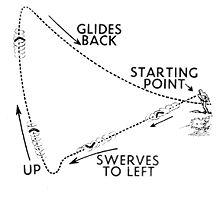 This is the Boomerang effect, a result of the
 Or with large banks. As stated above, it took me 5 years to get a certain bank to stop sending bank statements to my home for a renter who had only been at my house for 2 months, 5 years prior.




 These may be Airbnb rules, such as non-discrimination policy, or city state or national laws. In fact sometimes the Type One can be so angered by someone else’s ignorance of, oblivious to, or refusal to follow the rules/laws, that they begin a campaign aimed at seeking to obtain greater compliance, or perhaps become “snitches”, telling on or reporting those who don’t do what’s right (because Ones love justice) — for instance guests who didnt’ follow house rules, Ones are likely to want to report this to Airnb.
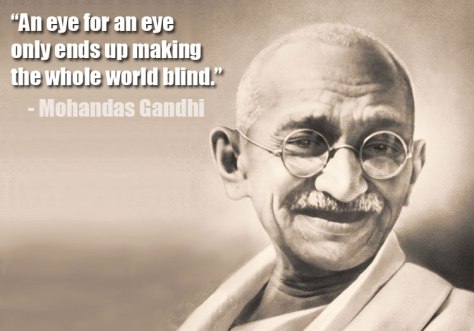 Ghandi was a Type One, and he engaged in a great deal of civil disobedience because he felt that certain laws were wrong, and that he was right and had the moral authority on his side. And as most of us would agree today, Ghandi was right and the laws were wrong. It often takes a strong and determined Type One with vision to change society for the better.
 Type Twos are in a sense the most natural “fit” to be Airbnb hosts. Particularly the Two with a Three wing, which subtype is actually called the “host/hostess.” !! However, when not optimally healthy, Twos can create problems in that their giving is not unconditional — they may need to be needed, and expect something in return — namely flattery, or other’s dependence upon them. Unhealthy Twos as hosts can crowd in on others and without realizing it, invade guests’ space with their own needs for socializing or being valued. They may ask prying questions, and make guests feel that they can’t get enough privacy or that their boundaries are being violated by the host.

 Threes are very focused on success and achievement, and because of that, they usually are very successful people, often wealthy. In the hosting world, Threes are the ones most likely to expand their Airbnb business to include more properties. They are the ones most likely to write books with titles like “How I became a Millionaire Airbnb Superhost and how you can Too.” Or, “How to Make a Freaking Ginormous Amount of Money as an Airbnb Host so you can retire from Your Day Job.” Yes, the Three is very heavily oriented to success and making money, and focused on this, and they usually have good strategies for accomplishing their goals. They are indeed the people to turn to if you want to learn how to be successful — though if you’re not a Three also, their methods might not work so well for you, because their methods involve their Three values.

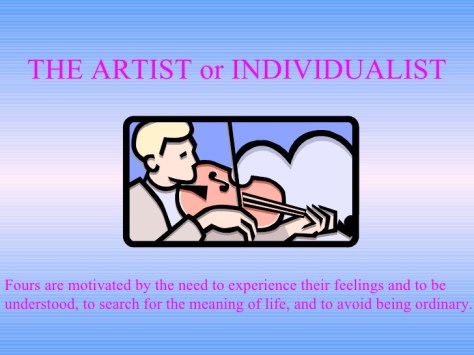 Fours place very high value on creativity, whether that be in creating a creative home/listing for guests, (it will be unique) or whether this is their private world of art or music or writing. Some (eg Riso and Hudson, in their book on the Enneagram) say the Fours are “the most profoundly creative of all the types, as intuition with insight, emotional sensitivity with intellectual comprehension, often with stunning, prophetic results.” This gift doesn’t necessarily translate so well to hosting, though, as guests don’t book listings in order to be endowed with prophetic utterances. Thus the Four can easily feel (as with —-sigh — so many other places in life) that hosting does not allow them to express their real self, (which they so crave to do!) because —if they are healthy and have worked on themselves — the spiritual and psychological gifts and insights they’ve obtained, aren’t necessarily needed in simply providing a guest a nice clean room and generous hospitality. Ideally, for the Four , the guest will also look beyond the clean sheets and efficient check in procedure, and appreciate the aesthetics of the environment, or even better, recognize something unique and creative in the person of the Four host. Fours crave to be seen in this way. However, Fours also tend to be loners/introverts, so while they crave being seen and appreciated for who they are, they also are less likely than others to spend a lot of time socializing with guests, making it hard for them to get this recognition.

 Fives as hosts are the most likely to make a thorough study of the subject of hosting before getting involved in it. They are the most mentally alert and curious of all the types, so they are also the ones most likely to ask a large variety of astute and penetrating questions about the hosting business. One of the biggest challenges for Fives in hosting, is having someone in their space. They are often much more comfortable with the idea of renting out a space that they dont’ live in. Fives can be quite reclusive and feel threatened if their protective cocoon of isolation is threatened, as may occur with a guest in the house.
 The Five will be quite good at giving the guest their privacy and not intruding on them. They also will likely be able to deal with problems with guests without flying off the handle or getting emotionally reactive.
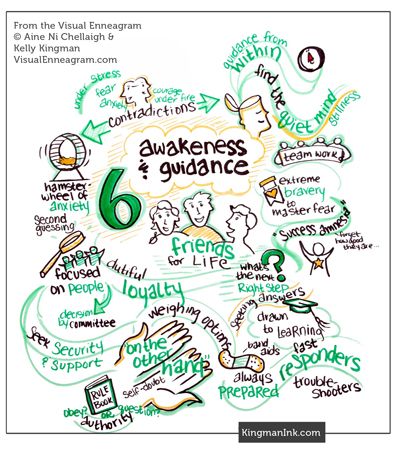 So as hosts, they are likely to be indecisive and often asking other hosts for the right or best way to do things…such as how to decide whether to accept a guest who presents in a certain way that raises some concerns. They will appreciate other hosts offering tried and tested ways of screening guests or lists of “red flags”. However, the Sixes tendency to anti-authoritarianism may lead them to harshly criticize any lists of “red flags” which in their view might involve prejudice, or are issued by “authority” figures or host community leaders whom their anti-authoritarian posture leads them to distrust.

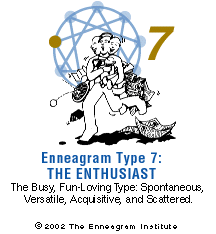 Now that Airbnb offers “Experiences”, this is a place the Seven can really shine, as they have lots of ideas for fun experiences, and adtually make excellent travel guides.
 As hosts, Eights are the least likely to be negatively effected by problem guests, because they are the type most likely to be able to powerfully and authoritatively confront the guest and subdue them. Eights like straight, direct communication, and may actually come across too direct for many guests, who might find their style a bit confrontational. Eights can easily intimidate others.
 IF they even have any house rules at all…Nines are so “laid back” that they may have that house rule that more experienced hosts know is a basically the same as saying “anything goes, ” eg, “Treat my home as you would treat yours…..and be cool“.

 That is growth for the Four. But if the Four is more like a Two, taking care of people, attending on their every need, rescuing orphan cats and dogs…that is BAD for a Four to do, it’s disintegration. It’s not the activity they need for growth. So, paradoxically, what looks on the outside like “good hosting” to one person, may be deleterious for a certain Enneatype.
 What’s the one area in short term rental hosting where there is the most overt bigotry, judgement, and intolerance in the host community?








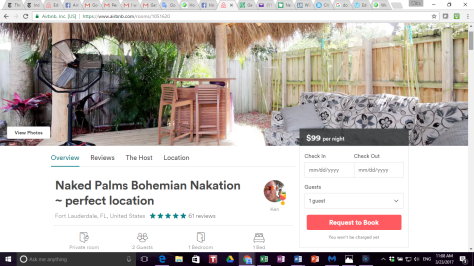 There are listings in treehouses, requiring climbing up a ladder to access, and listings on flat ground, suitable for those in wheelchairs. There are those featuring pet dogs or llamas and welcoming pets, and listings with hosts (or aimed at guests) who are allergic to dogs or cats and can’t accommodate them. There are listings in RV’s, tents, yurts, cabins, and yachts.

 And unfortunately guests may be right in this assessment of hosts, as we can see in all the situations where hosts, perhaps desperate to get a booking, tell the guest that “I don’t’ ordinarily allow children/pets/emotional support llamas/smoking/guests with 17 suitcases/4 month long bookings, but I will permit it in this case…” And then the wobbling begins. I urge hosts to think of themselves as a business, act as a business, develop policies and rules, and stick to those. You may think you are doing guests (and/or yourself) a favor when you make exceptions, but when you do that, you are also teaching guests that hosts’ may not always mean what they say, that they can be manipulated, their rules overcome with enough prodding.


 Well the Pope is certainly an authority, but in the area of the Catholic church, not in the realm of carbon dioxide emissions or global warming, or any of the environmental sciences.
 There’s also a cherry-picking type of logical fallacy involved here — this same individual who eagerly points to the fact that the government has validated her gender, would probably not be so quick to cite government’s possession of truth when it comes to government in North Carolina and the infamous “restroom bill”, HB-2. This we could call the “Argumentum-As-You-Please-Em” – the idea that you can be free to cite a particular authority (government) when that is convenient for you, but at other times, feel free to reject the authority of the same entity.
 There is no one else who can push you around or push around that group or corporation that pushes you around, quite like Uncle Sam. Sam has penalties, fines, courts and prisons on his side, and you don’t have any tools to fight back when Sam decides to fine you, incarcerate you, put a lien on your home. For you or some group or corporation may have honor and right on your side, but right doesn’t matter when Sam has the law. Sam is loved by the law-abiding, or sometimes just by those who aren’t in temperament so law-abiding, but find the law convenient to their enterprise. Sam’s followers, those of this Argumentum’s camp, often claim to believe that because something is the law, it must be right. It seems that they dont’ question the law and they don’t question their government. Although I have to wonder how it is that so many people who argue, for instance, that people shouldn’t be doing short term rentals because it’s illegal, are the same people who have those “Question Authority” bumper stickers or posters on their car or on their wall.
 One might view the character of this Argumentum as a humble being, small and not very powerful, who is threatened in their existence by powerful surrounding forces which they have little to no ability to abate.
 The City of Berkeley
 In the days following the Ghost Ship Fire, many warehouse artist’s communities in the Bay Area and around the nation, began to recieve

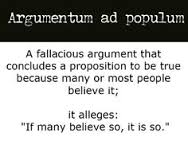
 as well as what we might call the Argumentum Ad Eximia, or the argument that owing to being a Special Snowflake one doesn’t have to follow the laws that other people are subject to.


 I think many would see a Cart Put Before the Horse type of fallacy as well as the A Priori Argument fallacy in this case. However, some may also have trouble understanding why a homeowner who is in need of rental income to afford her home, couldn’t just as well rent to long term tenants.


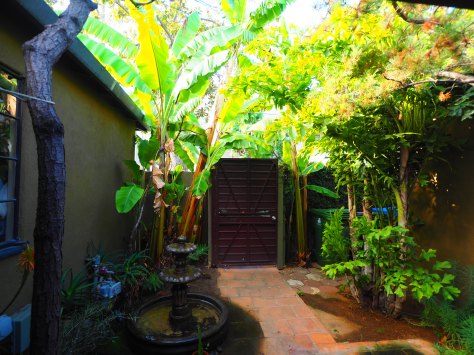
















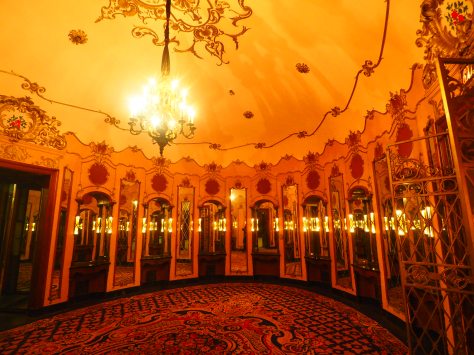

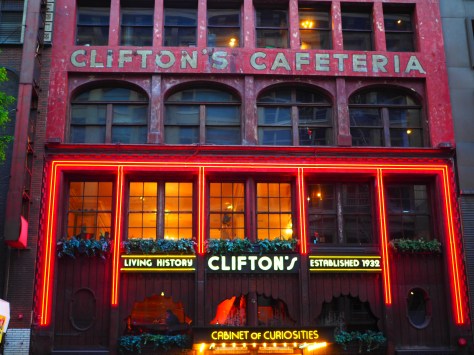














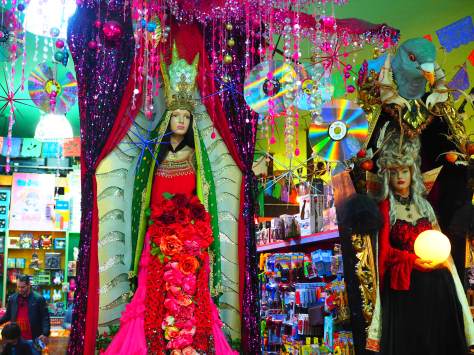

 After being solicited by the agents of astral travel, handed a “free movie” flyer by the mysterious ladies in black with the predatory eyes, I zipped off to Pasadena to visit another host friend, and stayed the night there. It occurred to me that Pasadena has what most of the rest of LA doesn’t have — earth. It’s right up there in your face, the mountains before you. In most of LA you can drive for miles and miles without feeling like you’re on the real, actual planet earth. It’s all paved over, built up. And barely a tree or blade of grass pokes through anywhere. But out in Pasadena, at least, there are streets full of trees, cute gingerbread homes, and the San Gabriel Mountains rising up in front of your face. You can’t miss noticing the earth is present here. Which is so important for someone like me with an earth-based spiritual path.








 I found that I wasn’t quite hip to the way to camp down in Southern California. I thought camping meant a tent and sleeping bag. But everyone else in the campground, with the exception of one other man about my age ( I guess those of us who were born in the 60’s and 70’s still recall tent camping) was camping here in an RV or camper van. Some of the thirty foot long RV’s were toting large trailer boxes full of god knows what extra campground necessities…flat screen TV, stereo, outdoor BBQ grill…well I did see some of the camping necessities later in the day, as they were driving around the campground. Several dirt bikes zipped about, as well as a bright yellow dune buggy. Until I put a stop to it by walking up to these folks in mid-zip and informing them that I was here to enjoy the quiet and not listen to off road vehicles zipping circles through the campground. Later, I found out that they weren’t even camping overnight, they just came to use the campground as a racetrack — very odd since the entire State Park is very heavily devoted to off road vehicles. Why not go out just about anywhere else to zip around? Why use the campground? Ironically, they have just one little short trail for hiking and the rest is all dirt roads for 4WD or ORV use.





You must be logged in to post a comment.